The Cultural Significance of Live Music Events
Live music events are more than just entertainment; they serve as a vital cultural touchstone in communities across the United States. This article explores the various ways that these events enrich social life, foster community bonds, and support local economies.
Understanding the Community Impact
Live music events often act as a catalyst for community engagement. According to research conducted by the National Endowment for the Arts, communities that host regular live music events typically experience stronger social cohesion. This is because these gatherings provide opportunities for diverse groups of people to come together and share experiences. Many users report feeling a sense of belonging and connection during and after these events.
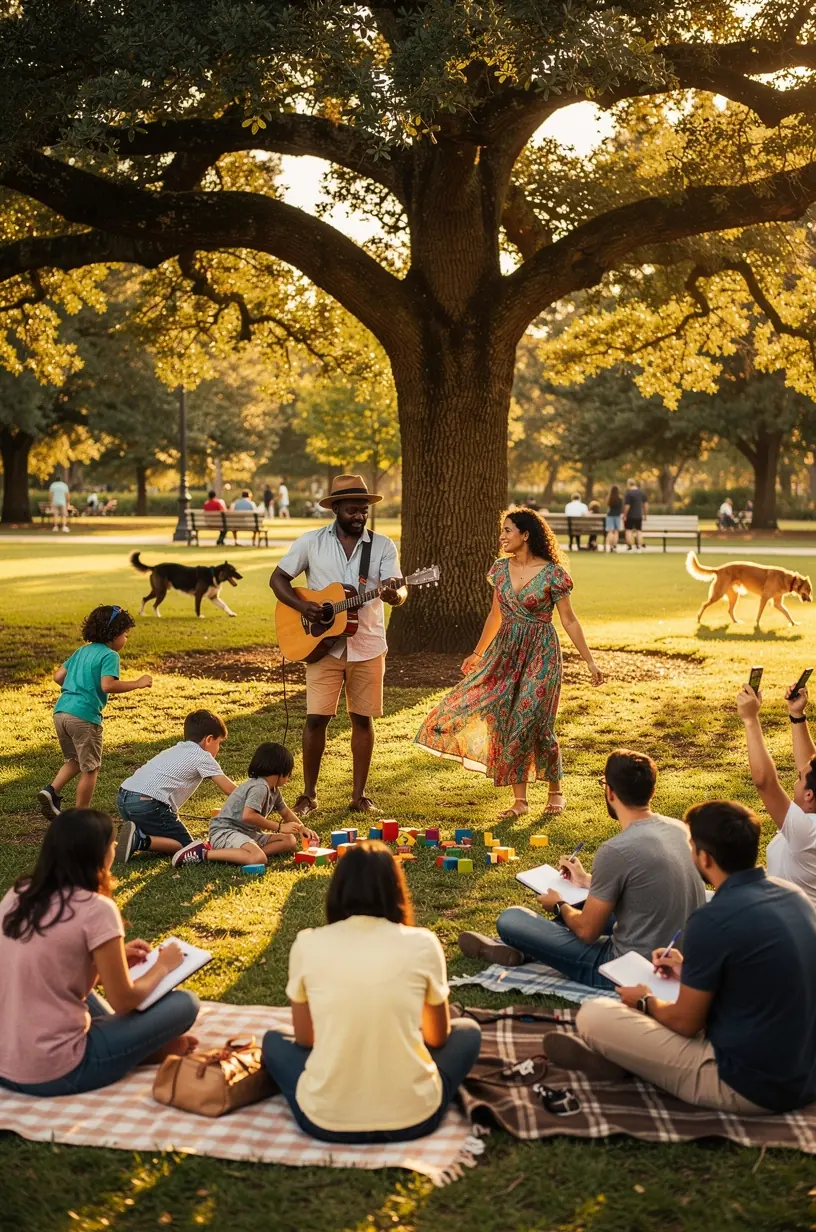
"Live music has the power to bring people together, fostering a sense of community and shared experience." - National Endowment for the Arts
The Economic Benefits
Studies show that live music events can significantly boost local economies. For example, according to the Americans for the Arts, every dollar invested in the arts generates about $4 in economic returns. This includes money spent on tickets, food, and transportation, benefiting local businesses and creating jobs.
Moreover, many cities report that a vibrant live music scene can attract tourists, leading to increased revenue for hotels, restaurants, and other local services. This is particularly evident in cities known for their music culture, where events like festivals and concerts draw audiences from far and wide.
Supporting Local Artists
Live music events also provide a platform for local artists to showcase their talent. According to industry experts, many up-and-coming musicians rely on these performances to reach new audiences. These events can often serve as a stepping stone for artists, allowing them to build a fan base and secure future gigs.
This method of grassroots promotion is essential in a music industry where major label support is often hard to come by. By investing in local talent, communities not only enrich their cultural landscape but also stimulate economic growth.
Encouraging Cultural Exchange
Live music events frequently showcase a variety of genres, reflecting the diverse backgrounds of the attendees and performers. This cultural exchange can promote understanding and appreciation among different social groups, enhancing the overall cultural fabric of the community. Research indicates that exposure to diverse musical styles can broaden participants' cultural horizons, creating a more inclusive environment.
Conclusion
In summary, the cultural significance of live music events cannot be understated. They foster community engagement, support local economies, promote local artists, and encourage cultural exchange. While organizing such events requires effort and commitment, the benefits they provide to individuals and communities can be profound and far-reaching. Communities looking to enhance their cultural offerings should consider investing in live music, as it often yields significant returns in social and economic cohesion.
Read On