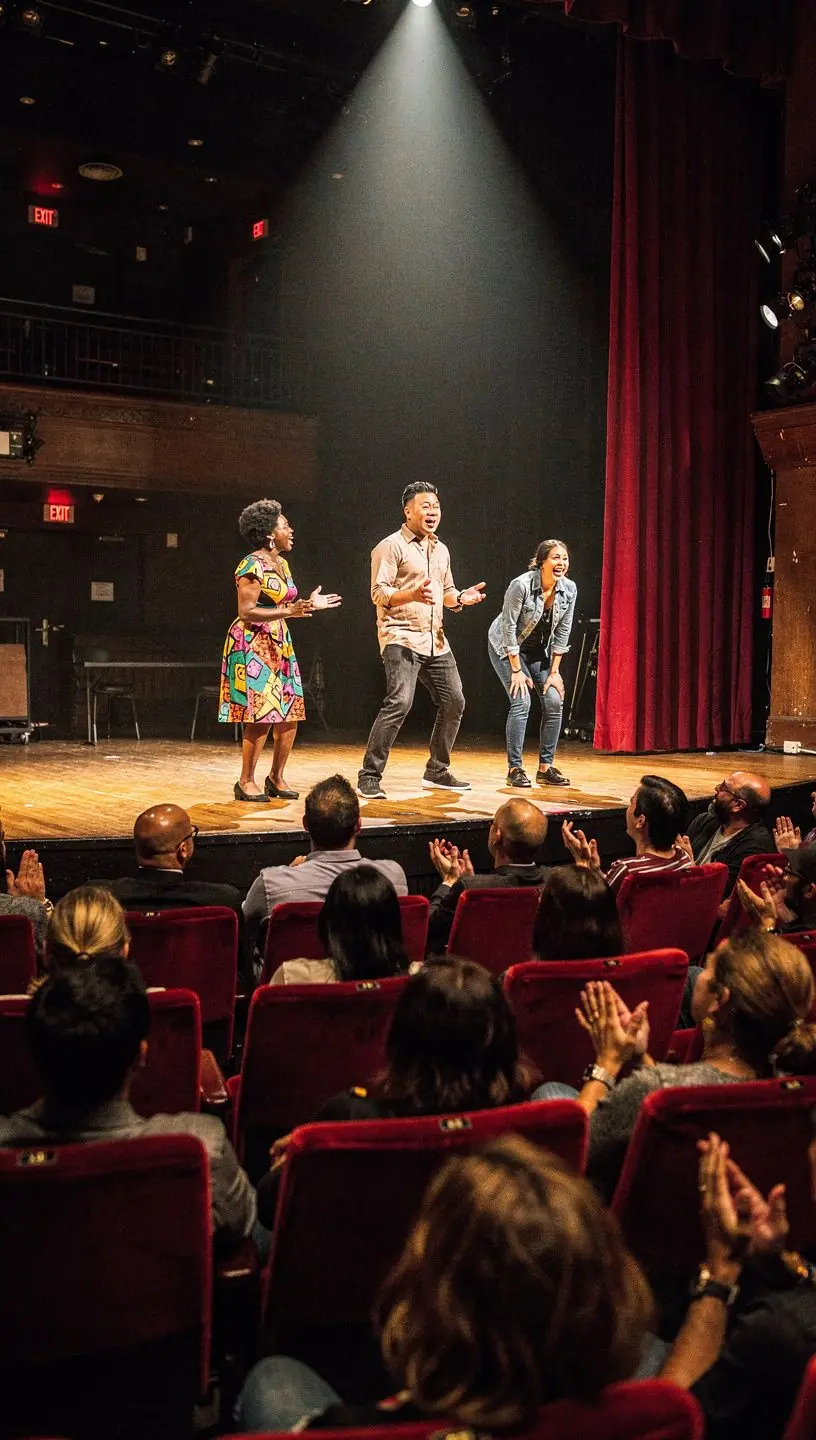
The Impact of Performance Arts on Local Economies
Performance arts play a significant role in enriching local communities and boosting their economies. By understanding how these activities contribute to economic growth, we can appreciate their value beyond entertainment.
Understanding the Basics
Research indicates that performance arts, such as theater, music, and dance, can drive economic development in various ways. According to a report from the National Endowment for the Arts, arts organizations contribute billions to the U.S. economy, creating jobs and generating revenue. This works because the arts attract tourism, encourage local spending, and foster community engagement.
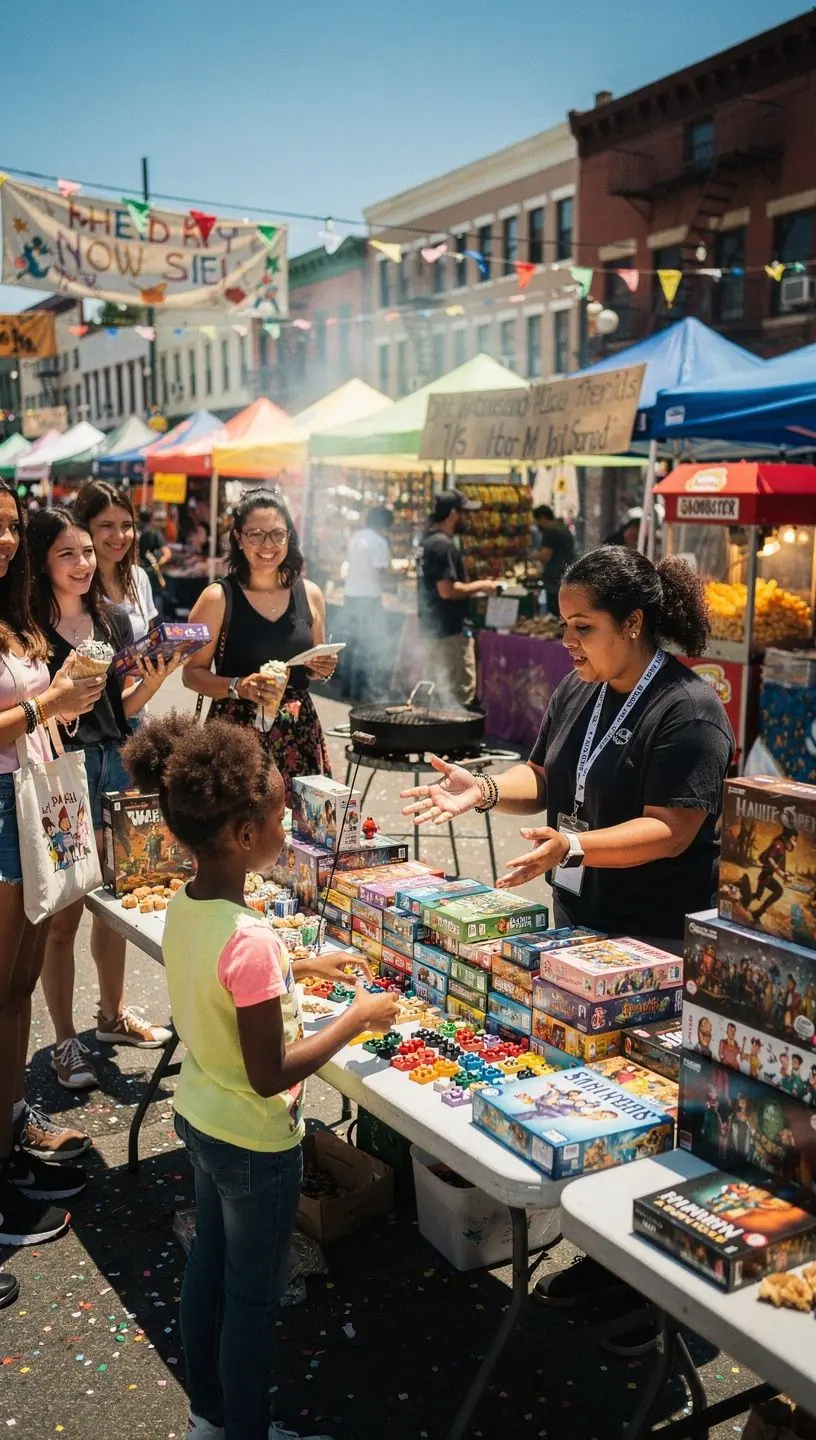
"The arts are a catalyst for economic development, providing jobs and generating significant revenue for local economies." - National Endowment for the Arts
Practical Application
- Job Creation: Arts organizations often require a range of professionals, from performers to technical staff, resulting in job creation. Studies show that these jobs are vital for many communities, typically offering stable employment opportunities.
- Tourism Boost: Many cities host festivals and performances that draw visitors. Research suggests that communities with vibrant arts scenes can see a significant increase in tourism, leading to additional spending in local businesses.
- Community Development: Performance arts can unite communities, fostering a sense of belonging and cultural pride. This cohesion can lead to collaborative projects that benefit local economies, making the arts a fundamental component of community identity.
Challenges and Considerations
While the benefits are substantial, it's crucial to acknowledge the limitations and challenges in leveraging performance arts for economic impact. Funding for arts programs can be inconsistent, and many organizations rely on grants and donations, which may fluctuate. Additionally, developing a thriving arts scene often requires long-term commitment and effort from both the community and its leaders.
The Future of Performance Arts
As communities continue to adapt to changing economic landscapes, the role of performance arts remains vital. Experts recommend integrating arts initiatives into broader economic development strategies to maximize their potential. By providing greater access to the arts and encouraging participation, cities can create opportunities that benefit both artists and the local economy.
Conclusion
The impact of performance arts on local economies is profound and multifaceted. By fostering job creation, boosting tourism, and enhancing community development, these activities significantly contribute to economic growth. As we continue to navigate the complexities of modern economies, supporting the arts should be viewed not merely as a luxury but as a necessary investment in our collective future.