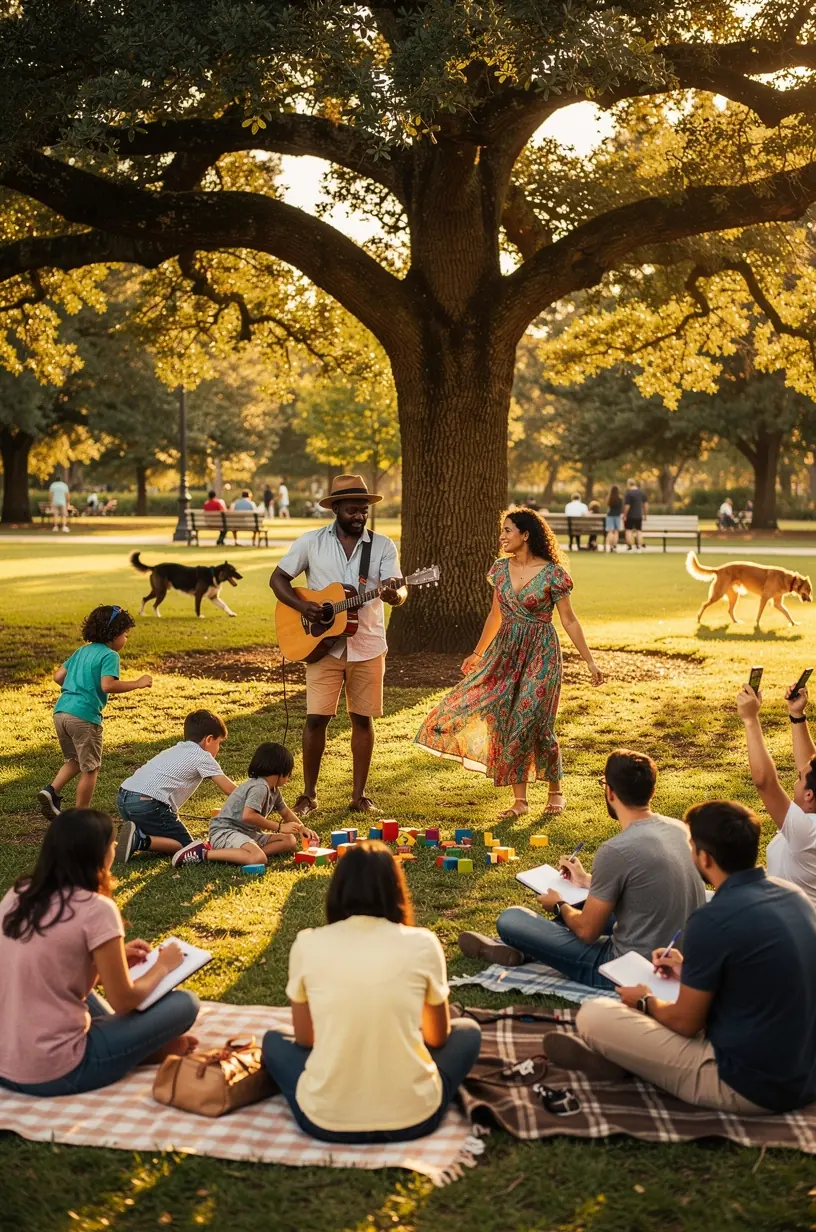
The Role of Live Performances in Community Engagement
Live performances play a significant role in enhancing community engagement by fostering social connections and cultural appreciation. This article explores how these events can serve as a bridge for community members to interact, learn, and create shared experiences.
Understanding the Basics
According to research from the National Endowment for the Arts, live performances, including music, theater, and dance, can enhance community cohesion. They create spaces for individuals to gather, share experiences, and develop a sense of belonging. This is crucial because community engagement often leads to improved mental health and well-being, as community members report feeling more connected and supported.
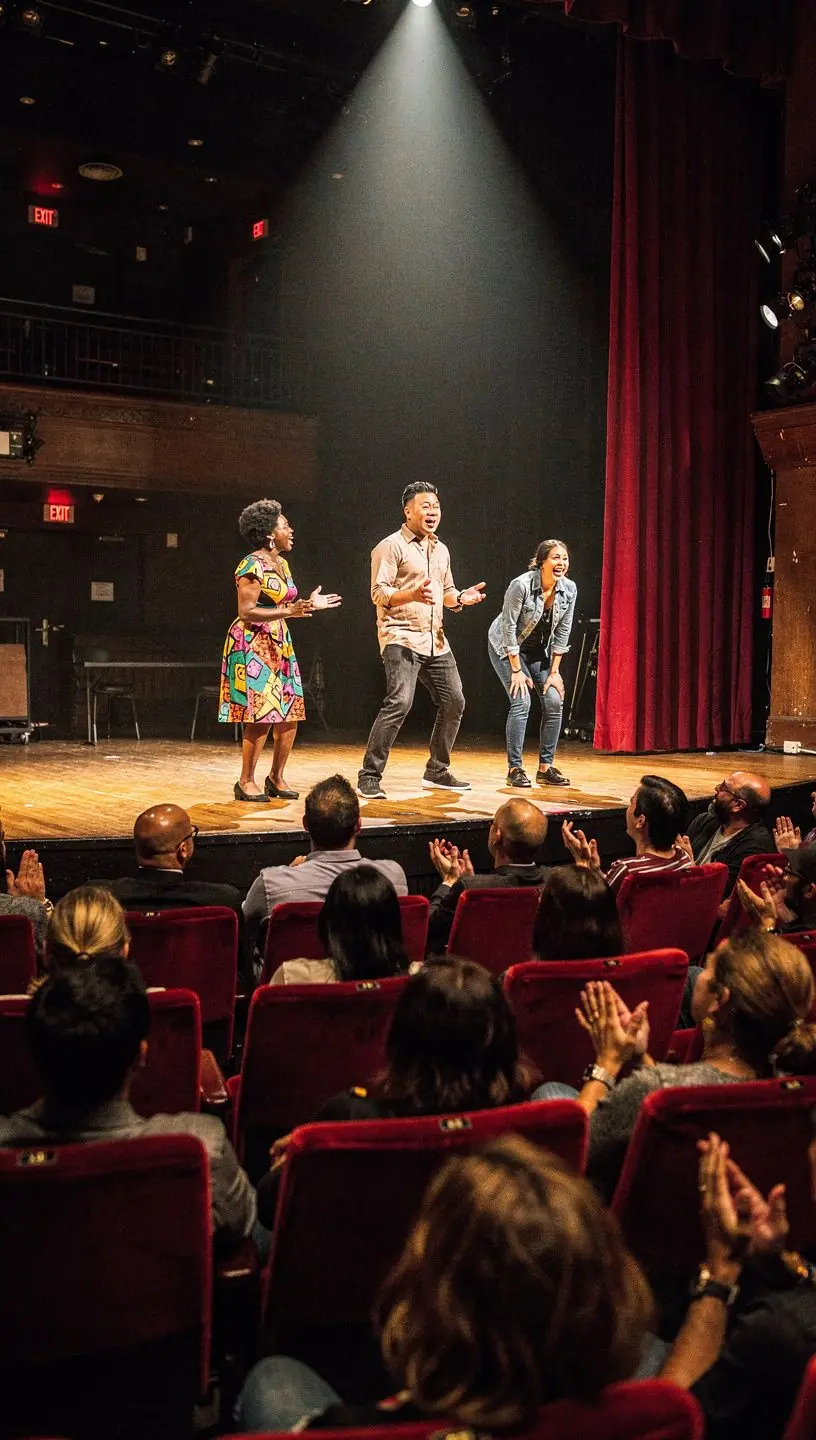
"Live performances are a catalyst for social interaction, offering community members a common platform to connect and collaborate."
Benefits of Live Performances
Engaging with live performances provides several benefits to communities:
- Fostering Cultural Exchange: Events can introduce community members to diverse cultures, enhancing understanding and appreciation. This often occurs through local festivals featuring traditions from various backgrounds.
- Encouraging Local Talent: Local performances give aspiring artists a platform to showcase their skills, which can lead to further opportunities and community investment in the arts. Studies show that communities with vibrant local arts scenes often experience economic growth.
- Creating Shared Experiences: Attending live performances allows individuals to share moments with others, strengthening social bonds. This works particularly well in community settings where everyone can participate.
Practical Application
Here are some effective ways communities can leverage live performances for engagement:
- Organize Regular Events: Holding events such as open mic nights or community theater can encourage ongoing participation. Typically, planning should begin at least 3-6 months in advance to ensure adequate promotion and logistics.
- Incorporate Community Input: Gathering feedback from community members about the types of performances they wish to see can enhance participation. This often requires surveys or public meetings to discuss preferences.
- Partner with Local Organizations: Collaborating with schools, nonprofits, and businesses can expand the reach and impact of events. This works best when there is a shared vision for community engagement.
Acknowledging Limitations
While live performances can significantly enhance community engagement, there are some limitations to consider:
- Not all performances may attract a diverse audience; careful planning is needed to ensure inclusivity.
- Hosting events typically requires financial investment and volunteer commitment, which can strain resources.
- Attendance may fluctuate based on external factors, such as weather or competing events, indicating a need for flexible planning.
Conclusion
Live performances have the potential to significantly enrich community engagement. By understanding the benefits and employing effective strategies, communities can create vibrant spaces that foster connection and collaboration. As research indicates, these shared experiences can lead to stronger, more resilient neighborhoods—making the effort worthwhile.